Pneumatics in Industrial Automation: A Practical Guide
Pneumatics, the use of compressed air to perform mechanical work, is one of the most widely used actuation technologies in manufacturing. From clamping and gripping to sorting and packaging, pneumatic systems are found on virtually every production line.
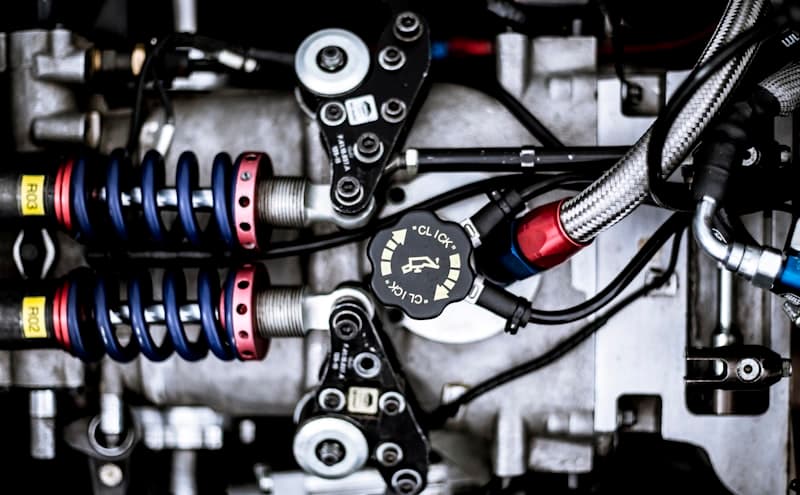
The basic components of a pneumatic system include a compressor that generates compressed air, an air treatment unit (filter, regulator, lubricator) that conditions the air, directional control valves that route air to the right place at the right time, and actuators (cylinders and motors) that convert air pressure into mechanical motion.
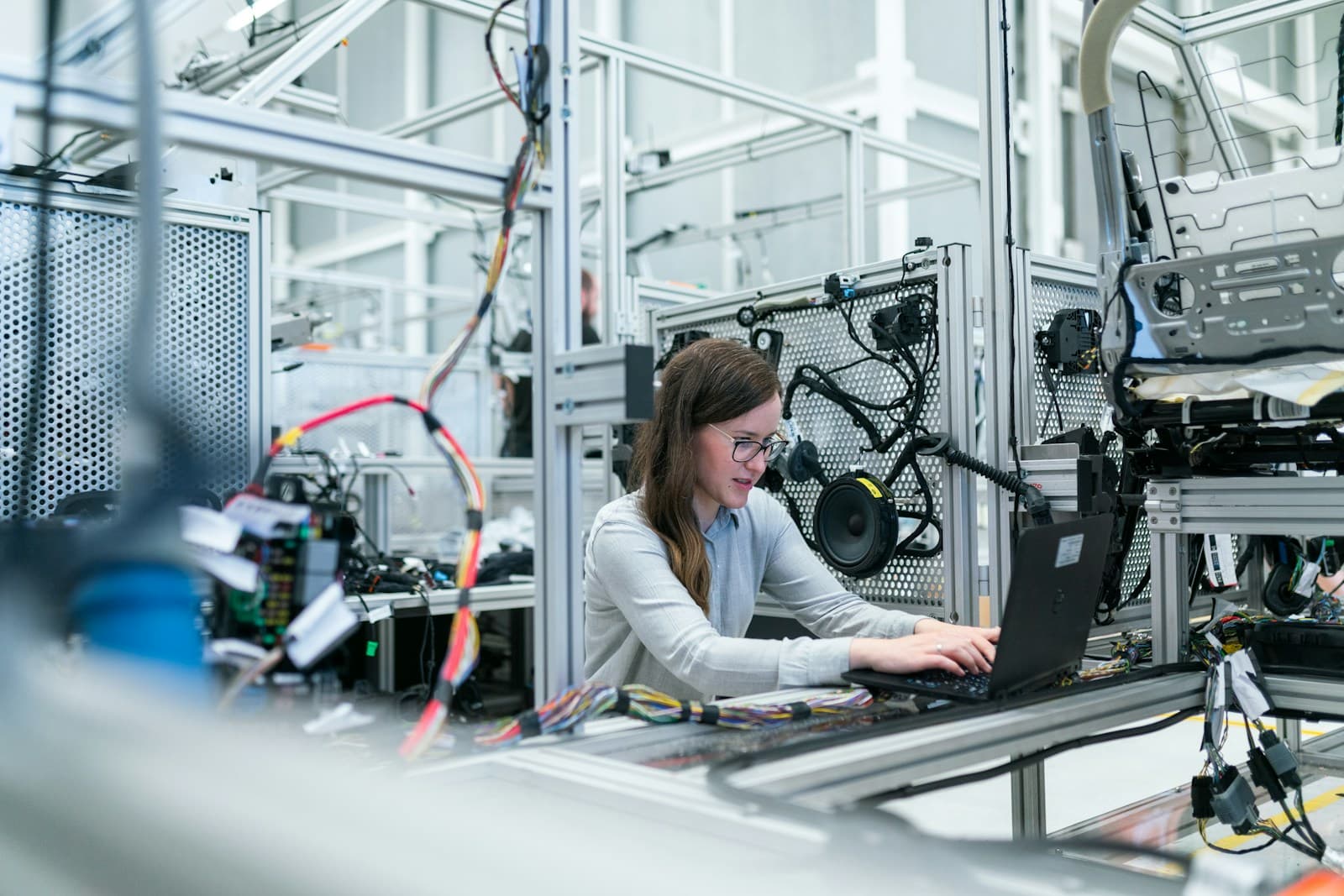
For automation engineers, the key skill is integrating pneumatic systems with PLCs. This involves connecting pneumatic solenoid valves to PLC output modules, programming the PLC to control valve sequences, and monitoring pneumatic sensors such as position switches and pressure sensors through PLC inputs.
At EDWartens, our practical pneumatics training includes hands-on work with real pneumatic components. You learn to read pneumatic circuit diagrams, assemble pneumatic systems, programme PLC-controlled pneumatic sequences and troubleshoot common problems like air leaks, valve sticking and cylinder misalignment. This practical knowledge is invaluable on the factory floor.
Learn this, free
The courses that teach this
Every lesson, the written notes and the practice are free with an account. Only the certificate is optional and paid.